

A water heater leak can contribute to a high water bill, especially when water escapes continuously through a drain, relief discharge, connection, or concealed hot-water line. However, the bill alone cannot identify the source. Irrigation, toilets, pool autofill, fixtures, service piping, and other automatic uses can create the same symptom.
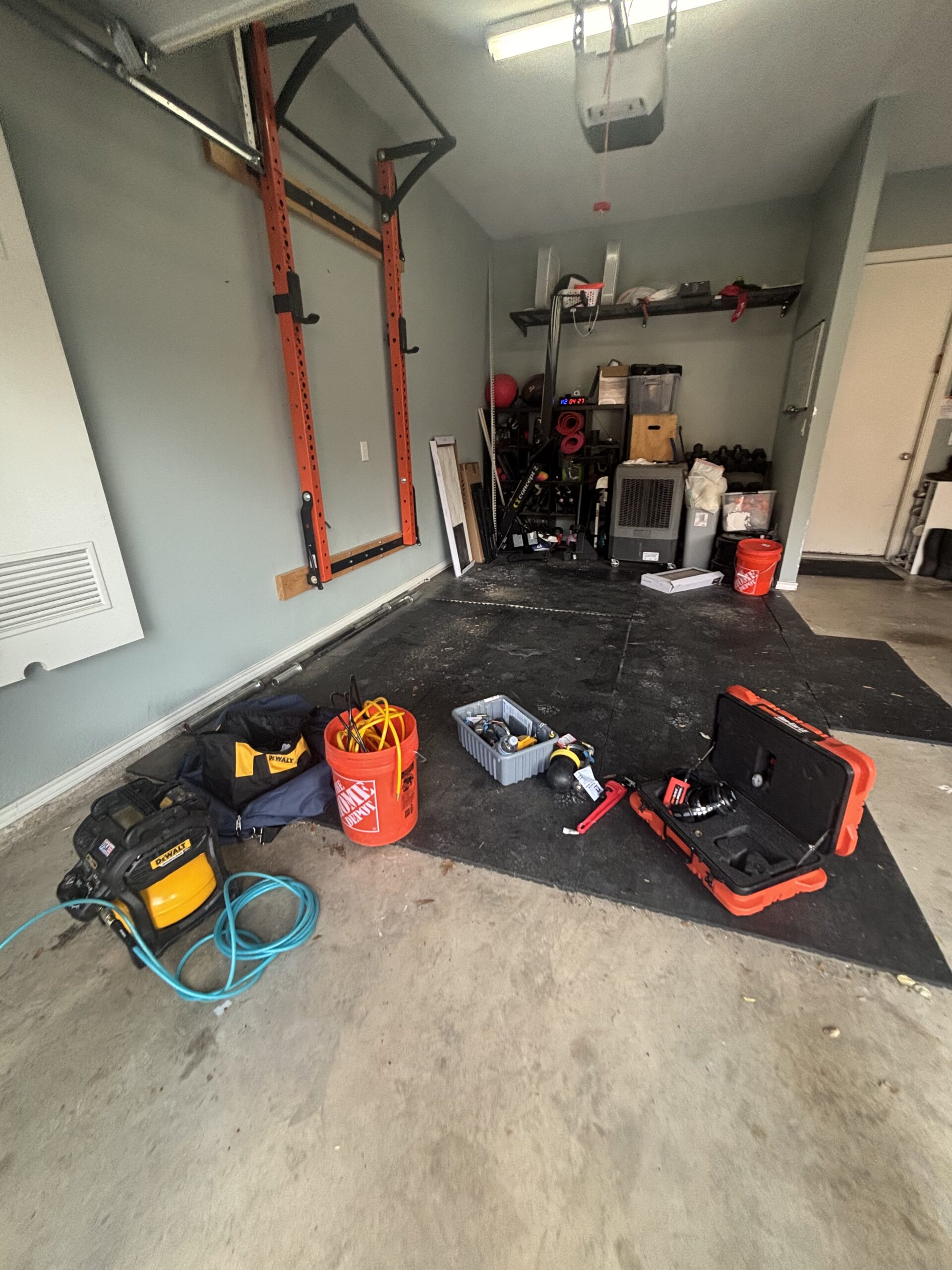
The goal is to identify the source before destructive access or repair. Lone Star Leak Locators documents the test scope, supported findings, and important limitations so the next decision is based on evidence.
Check visible evidence without creating a hazard
Look from a safe distance for water in the drain pan, staining near connections, or discharge at a visible termination. Listen for unexpected refilling or burner and heating operation. Do not touch hot piping, cap a discharge line, operate an unfamiliar valve, or remove equipment covers.
If water is actively damaging the property or the heater appears unsafe, contact an appropriate licensed professional promptly. A temperature-and-pressure relief device is a safety component; never block its discharge.
Why the meter may not move during one short check
Some losses are intermittent. A valve may discharge only during a heating cycle. A recirculation system, irrigation controller, ice maker, pool autofill, or toilet may also operate at different times. Therefore, a single still meter observation does not explain an entire billing period.
EPA WaterSense recommends checking household plumbing and outdoor systems for leaks. A useful investigation considers the schedule of automatic uses and compares it with the symptom history.
Separate the heater from the distribution piping
Water near the heater can come from the tank, connections, drain pan, condensate, relief discharge, or nearby piping. Conversely, a hidden hot-water line can leak without leaving water at the heater.
A professional diagnostic plan should identify which components were observed or tested. Meter data, thermal patterns, acoustic listening, and pressure testing can support the investigation when used within their limits.
Build a clear record before repair decisions
Collect the high bill, prior bills, photographs, symptom dates, and any heater service records. Note whether the home uses recirculation and whether hot water takes longer than usual to arrive.
Ask for written findings that distinguish the detected source from untested systems. If repairs are recommended, keep the final invoice and verification record. Those documents also help if the water provider offers a leak-adjustment process.
Helpful resources
Frequently asked questions about water heater leak high water bill
Can a small water-heater leak affect the bill?
Yes. A small continuous or repeating loss can add up. The amount depends on the leak rate and how often it occurs.
Does water in the drain pan prove the tank failed?
No. The source could be a tank, connection, drain valve, relief discharge, condensate, or nearby piping. A professional should identify the source.
Should I cap a dripping relief line?
Never. A temperature-and-pressure relief line serves a safety function. Contact a qualified professional to diagnose the discharge.
Why might the meter look still during the appointment?
The loss may be intermittent or another automatic system may run at a different time. Share schedules and billing history with the technician.
Can thermal imaging prove the heater is leaking?
Thermal imaging can show temperature patterns, but it does not prove the failed component by itself. It must be correlated with other findings.
What should I keep after the repair?
Keep the diagnostic report, itemized repair invoice, completion date, photographs, and any post-repair verification.
Schedule professional leak detection
Call Lone Star Leak Locators to discuss the symptoms and confirm the right diagnostic scope for your North Texas property.