

A concealed slab leak can add moisture to the building or soil without producing a visible puddle, but higher indoor humidity is not proof of a pipe leak. Dallas–Fort Worth weather, HVAC operation, showers, cooking, roof or window intrusion, and drainage problems can produce similar symptoms.
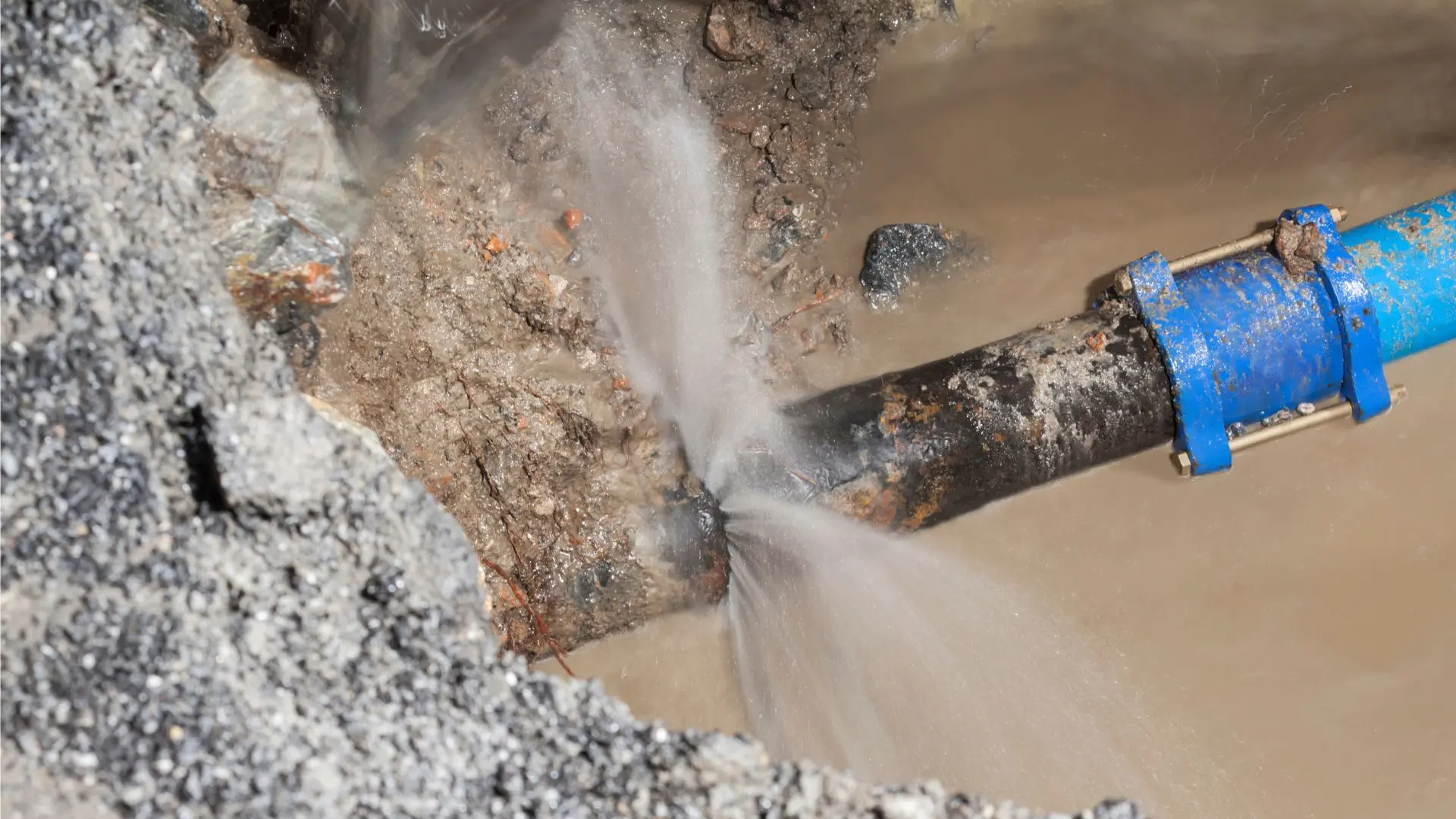
Why moisture may appear away from the pipe
Water can travel along a pipe trench, crack, vapor path, flooring layer, or wall base before appearing. It can also remain in soil beneath the slab. That means a damp odor, condensation, or changing flooring may be separated from the actual leak zone.
Humidity is a clue, not a location result
A hygrometer can show that air moisture changed, but it cannot identify the source. Record indoor relative humidity in the same rooms and at similar times while noting outdoor weather and HVAC operation. The U.S. EPA explains that controlling excess moisture matters and recommends addressing the water source rather than treating mold or dampness alone.
Start with the water meter
Stop intentional water use, irrigation, pool filling, ice making, laundry, and other automatic equipment when practical. Record the meter indicator and totalizer over a meaningful interval. A moving meter supports continuing use somewhere downstream, while a still meter during one short check does not rule out an intermittent leak.
Isolate hot, cold, and exterior systems
Operate only accessible homeowner shutoffs and record each condition. If the meter stops after the house or water-heater supply is isolated, that change helps narrow the system. Valve leakage and unusual piping layouts must remain part of the interpretation.
Combine thermal, acoustic, and moisture evidence
Thermal imaging can show surface temperature patterns; acoustic instruments compare leak sound; moisture meters measure material conditions; and pressure testing evaluates an isolated line. None of these tools sees through concrete or independently proves the exact break point.
What DFW homeowners should document
In Plano, Allen, Frisco, McKinney, Richardson, and nearby communities, record when humidity rises, which rooms are affected, water-heater cycling, meter behavior, HVAC settings, recent rain, drainage conditions, and any flooring changes. This timeline helps separate plumbing from building-envelope and HVAC causes.
Related leak-detection resources
- Post-tension slab leak detection without cutting
- Cold-side slab leaks without a warm floor
- Slab leak warning signs
- EPA guidance on moisture and mold control
Frequently asked questions
Can a cold-water slab leak raise humidity?
It can contribute moisture without a warm floor. Meter, isolation, pressure, acoustic, and material-moisture evidence are needed to test that possibility.
Does condensation prove a slab leak?
No. Humid outdoor air, HVAC settings, cold surfaces, cooking, bathing, and air leakage can also cause condensation.
Can moisture move under flooring?
Yes. Water vapor or liquid can travel through seams, cracks, adhesives, and low areas, so the visible effect may not mark the pipe break.
Will a moisture meter find the leaking pipe?
No. It measures material conditions at the test point. It must be compared with the plumbing layout and other test results.
Can the meter stay still during an intermittent leak?
Yes. The leak or a related valve may change with pressure, temperature, or equipment cycles. Repeated controlled observations can be more useful.
Should I remove flooring before detection?
Usually not solely because humidity rose. Non-destructive testing can first narrow whether plumbing evidence supports opening finished materials.
Can a slab leak cause a musty odor?
Moisture can contribute to odors, but odor alone cannot identify its source. Find and correct the moisture source promptly.
What should I prepare for the appointment?
Provide meter photos, humidity readings, HVAC settings, recent rain dates, affected-room notes, and the locations of accessible shutoffs and the water heater.
Schedule Lone Star Leak Locators
For slab, pool, gas, or hidden-water leak detection in the Dallas–Fort Worth area, call or text 972-333-5448.