

gas odor near outdoor grill connection
Quick answer
If you suspect natural gas near an outdoor grill, leave the area immediately and keep others away. From a safe distance call 911 and your gas utility’s emergency number. Do not operate a switch, flame, appliance or connection to investigate. The apparent odor location does not prove whether the issue is the grill connector, valve, house piping or utility equipment.
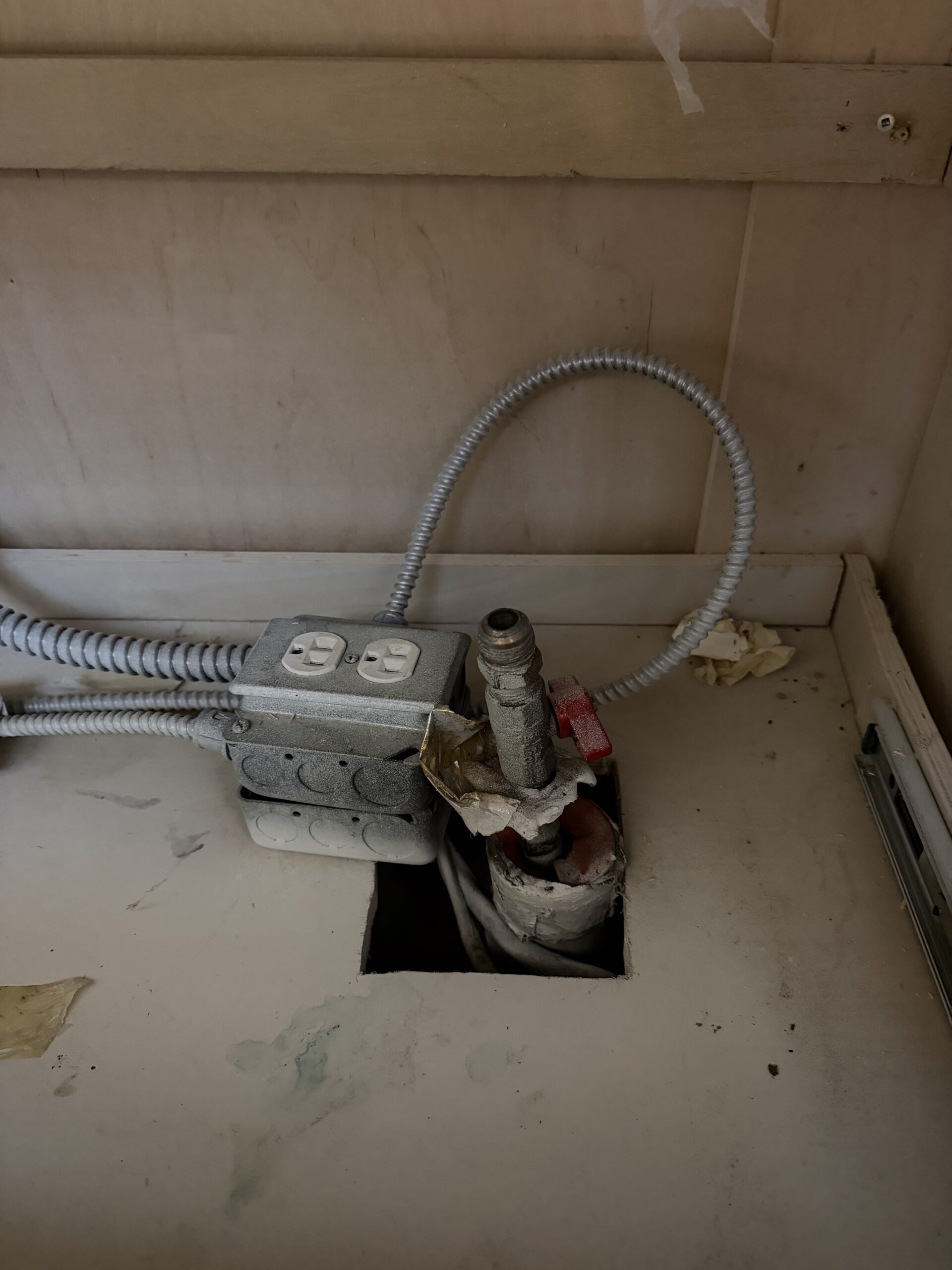
Treat the odor as an emergency signal
Atmos Energy instructs people who suspect a natural gas leak to leave immediately and call 911 and Atmos from a safe distance. Use your actual utility’s emergency line if it is not Atmos. Do not remain near the grill to test with a lighter or adjust fittings. Outdoor air movement can shift an odor, so the strongest smell may not identify the exact source.
Record observations only after the area is safe
If emergency personnel or the utility clears the area, note whether the smell occurred with the appliance on, after a cylinder or connector change, in windy weather or with other gas loads operating. Do not restart equipment merely to reproduce the odor. Photos of the connection taken later from a safe position and model information may help a qualified gas professional identify applicable parts and instructions.
Know the testing boundary
A gas pressure test evaluates a defined portion of piping under specified conditions; it does not automatically test the appliance internals, an excluded connector or utility-side components. Electronic detection and approved leak-search methods can examine accessible points, but concealed runs may require a different plan. The technician should identify which valves, sections and appliance components were included before declaring a result.
Arrange repair and restoration
If the utility shut off service, ask what it requires before restoration. A licensed professional can evaluate the affected components, repair or replace them under local requirements, and document the post-repair test. Never assume a passed test of one segment explains the original odor if the suspected appliance was isolated from that segment. Keep written findings and service records for future reference.
What to prepare for an inspection
- Write down the first time the symptom appeared and the equipment state at that moment.
- Keep photos, utility readings, invoices and previous test results together.
- Identify accessible shutoffs without forcing a stuck valve or exposing an electrical hazard.
- Ask which system is included, what the test can establish, and which areas remain untested.
Leak location narrows evidence. A meter, wet spot, noise, temperature pattern or odor alone can point to several causes. A useful report states the measured condition and testing boundary before it recommends opening a surface or replacing pipe. The method and next step depend on access, materials and safety.
| Observation | What it may establish | What it cannot establish alone |
|---|---|---|
| Timing and equipment state | A repeatable relationship | The exact failure point |
| Meter, level or pressure trend | A test-boundary behavior | Every untested branch’s condition |
| Visible or acoustic clue | A priority for further confirmation | A guaranteed excavation point |
Emergency action comes before diagnosis
A gas odor at an outdoor appliance can be carried by wind, and the apparent strongest point may not be the leak source. Leave the area immediately. Do not operate the grill, switches, vehicles, phones or ignition sources near the suspected release. Call 911 and the gas utility from a safe location; for Atmos Energy’s service area, its published emergency number is 866-322-8667. Follow the responders’ directions about evacuation and reentry. Do not return merely because the smell fades.
Once responders have declared the area safe, share the timeline: when the odor was first noticed, whether the grill was in use, whether an appliance or line was recently changed, and where the wind was blowing. Do not attempt a soap-bubble test or tighten a connection during a suspected release. The utility or a qualified gas professional determines how to isolate, test and restore the system under applicable requirements.
Scope the later repair correctly
A permanent house-gas branch, an outdoor shutoff, a connector and the grill itself are distinct components. A test of one isolated portion does not automatically include the others. The service record should identify the tested limits, the defective component if found, and the retest before use. If the grill is portable or separately supplied, tell the professional its fuel type and configuration; never swap fuel arrangements based on appearance alone.
Outdoor connectors experience movement and weather. A visible crack or corrosion is reason to keep the appliance out of service, but visual inspection alone cannot clear a system for use. If emergency responders shut off gas, only follow their and the utility’s restoration instructions. A safe repair conclusion requires the appropriate professional’s assessment, not the absence of odor on a later visit.
Frequently asked questions
Can I use a flame to look for the leak?
No. Leave the area and call emergency responders and the gas utility from a safe location.
Does the smell disappearing mean it is safe?
No. Odor can move with wind or intermittent flow; follow utility guidance.
Could the grill connector be the problem?
It is one possibility, but only a qualified evaluation can isolate the source.
Does a house-piping pressure test include the grill?
Not necessarily. Ask exactly which components were connected and tested.
When can the grill be used again?
After emergency response, qualified repair and any utility or local restoration requirements are satisfied.
What information helps the technician?
The utility notice, appliance model, timing and any recent installation or service records.
Sources and related guidance
Atmos Energy gas emergency guidance explains the general safety or testing context. Gas odor outside near the meter covers a related homeowner question. Conditions on an individual property require separate evaluation.
Schedule leak detection in North Texas
Tell Lone Star Leak Locators the symptom, the equipment involved and any steps already taken. Service availability and testing scope depend on the property.
Call 972-333-5448 Request an appointment
Educational guidance. For a suspected gas leak, leave immediately and call 911 and the gas utility from a safe distance.