

A pool losing water when the pump is off may point homeowners toward the shell, skimmer, fittings, or a suction-side path. Still, pump timing alone does not prove the location. Evaporation, rainfall, autofill, overflow, recent maintenance, and water added by other people can change the pattern.
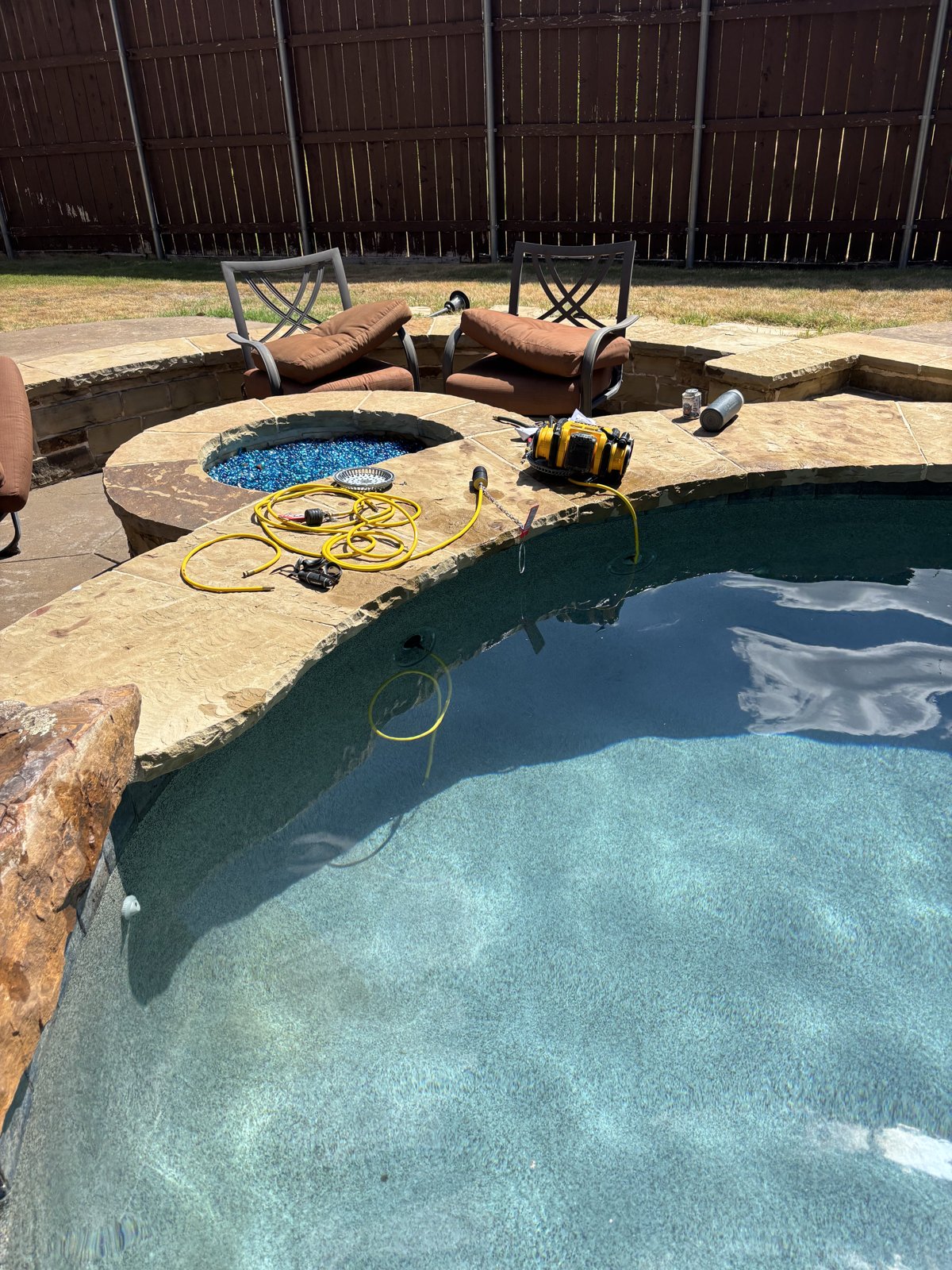
The goal is to identify the source before destructive access or repair. Lone Star Leak Locators documents the test scope, supported findings, and important limitations so the next decision is based on evidence.
Start with a controlled water-level record
Record the starting water level at the same reference point each time. Note pump schedule, rainfall, pool use, backwashing, cleaning, and any water added. If the pool has autofill, tell the leak professional before testing because replacement water can hide loss.
The U.S. Environmental Protection Agency’s pool water-efficiency guidance recommends monitoring water use and maintaining fill systems. A clear record helps separate normal changes from unexplained loss.
Why pump-off loss can suggest several paths
With the equipment off, water may continue moving through a shell opening, skimmer throat, light niche, fitting, or another submerged defect. In some systems, water can also move through a line or equipment path depending on elevation, valves, and layout.
Therefore, do not assume that a suction line has failed simply because the pump was off. The water level where the loss slows can be useful, but it is not a safe reason to keep draining the pool.
How testing separates the components
A professional may perform a visual inspection, dye testing at selected openings, equipment-pad checks, and pressure testing of isolated plumbing sections. These methods answer different questions. Dye testing looks for localized water movement. Pressure testing evaluates whether an isolated line holds under controlled conditions.
The result should name the tested line or component. A passing return-line test does not clear the skimmer body, shell, light niche, or every other pipe.
Protect the pool while gathering evidence
Do not operate equipment below the manufacturer’s required water level. Do not block an overflow, defeat an autofill, or move unfamiliar valves without instructions. Avoid draining the pool to chase the waterline because hydrostatic and equipment risks vary by property.
Instead, contact a qualified pool professional and describe the observed rate, pump state, and lowest recorded level. The testing plan should protect the pool while narrowing the source.
Helpful resources
Frequently asked questions about pool losing water when the pump is off
Does pump-off water loss prove a suction-line leak?
No. The pattern can involve the shell, skimmer, fittings, light niche, plumbing, or uncontrolled water replacement. Testing must separate those components.
Should I let the pool drop until it stops?
No. Uncontrolled draining can create equipment or structural risks. Ask a qualified professional how to maintain a safe level during observation.
Can evaporation continue when the pump is off?
Yes. Evaporation depends on weather, water temperature, wind, humidity, and surface exposure rather than only on pump operation.
Can autofill hide pump-off loss?
Yes. Autofill can replace water and make the level appear stable. Record added water and tell the technician about the system.
What does pressure testing show?
It shows whether a properly isolated plumbing section holds under the test conditions. It does not automatically identify the exact underground location or clear the entire pool.
What should the final findings include?
Ask for tested components, observations, limitations, results, and the recommended next step before approving repair access.
Schedule professional leak detection
Call Lone Star Leak Locators to discuss the symptoms and confirm the right diagnostic scope for your North Texas property.